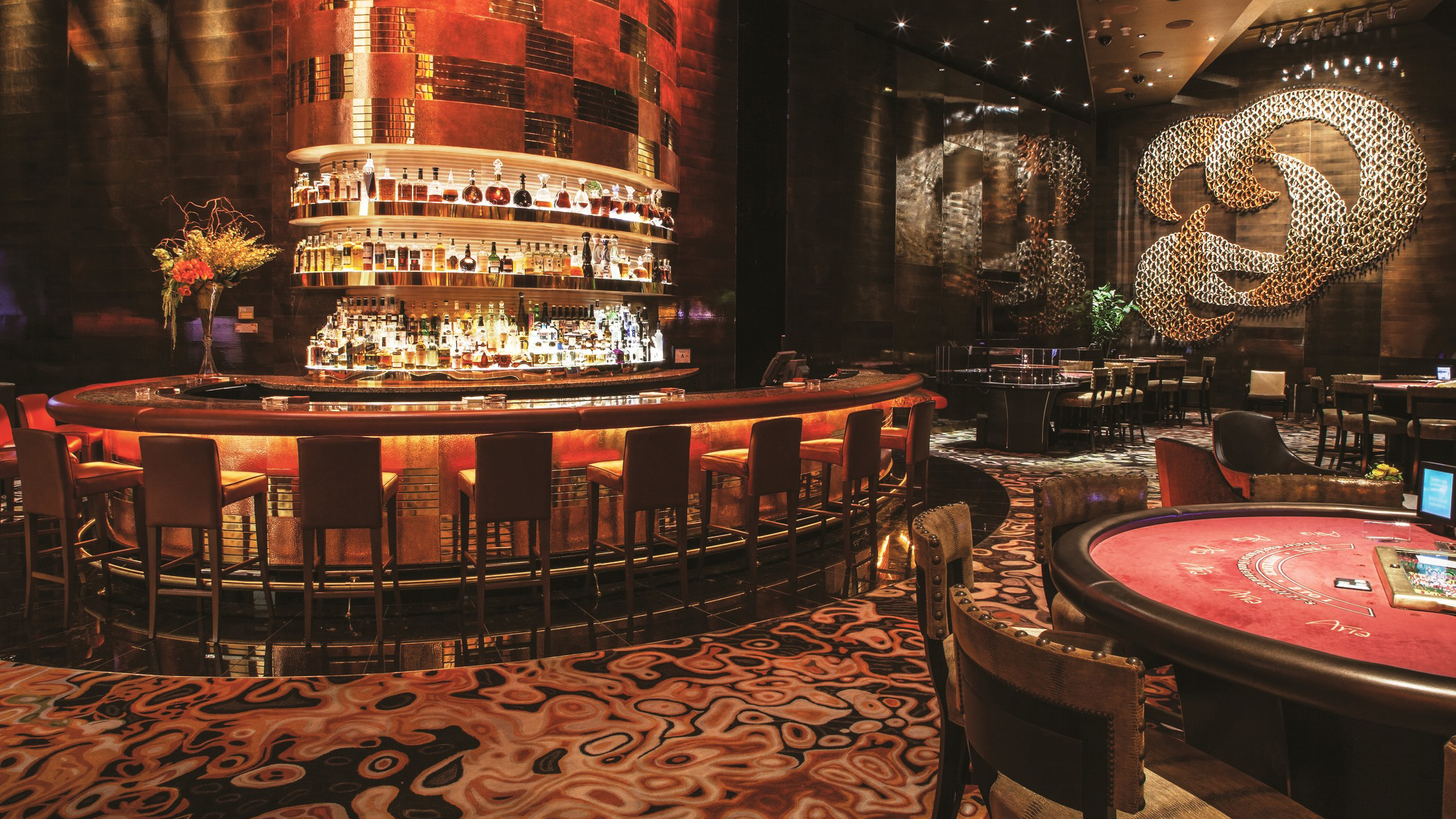
Colorful patterns and spingranny inspire unique handcrafted home decor ideas today
The world of interior design is constantly evolving, with fresh inspirations emerging from unexpected places. One such source of creativity lies in the vibrant and intricate patterns associated with spingranny, a technique often involving the combination of varied yarns and textures to create unique, visually striking results. This approach isn't merely about aesthetics; it represents a shift towards personalized spaces, handcrafted elements, and a celebration of artisanal skill. The allure of these textured designs is growing rapidly, influencing everything from cozy blankets and intricate wall hangings to contemporary furniture accents and statement pieces.
Modern home decor increasingly favors authenticity and individuality. Mass-produced items are often replaced by pieces bearing the mark of the maker, items imbued with character and history. This trend has spurred a renewed interest in traditional crafts, revisited with contemporary sensibilities. The use of textural patterns like those created with the spingranny technique plays perfectly into this desire for warmth, comfort, and a visual narrative within the home. It’s a way to introduce color and interest without relying on bold statements or fleeting trends, grounding a space in tangible artistry.
The Allure of Textured Weaves in Modern Interiors
The resurgence of textured weaves in interior design is a direct response to the increasingly digital and streamlined nature of modern life. People are craving tactile experiences, and incorporating richly textured elements into their homes provides a sensory antidote to the ubiquitous smooth surfaces of technology. The variations inherent in hand-crafted items, those slight imperfections, add to their appeal—they tell a story of human touch and skill. Spingranny-inspired designs, with their inherent depth and visual complexity, fulfill this need for tactile richness perfectly. The soft, inviting nature of these materials encourages a sense of calm and relaxation, fostering a more welcoming and comfortable atmosphere.
Furthermore, these textured approaches are incredibly versatile. They can be adapted to suit a wide range of aesthetic preferences, from bohemian chic to minimalist modern. The choice of yarn colors, weights, and textures allows for almost limitless customization, ensuring that each piece is truly unique. The inherent warmth of these materials makes them particularly well-suited for cooler climates or for adding a cozy touch to any room. It’s not simply about adding texture; it’s about creating a layered and visually rich environment that feels inviting and lived-in.
Exploring Yarn Combinations for Varied Effects
The magic of spingranny-esque designs truly reveals itself when exploring combinations of yarn. Different fiber content, such as wool, cotton, acrylic, and even silk, contribute distinct textures and visual qualities. Bulky yarns create bold, impactful textures while finer yarns offer a more subtle and refined appearance. Exploring gradients – transitioning from light to dark shades within a single yarn type, or blending disparate hues – adds depth and visual interest. The juxtaposition of smooth and nubby yarns can also create a captivating contrast, drawing the eye and inviting touch. A thoughtful selection of yarns is key to crafting a piece that perfectly complements the surrounding décor.
Experimentation is encouraged. Don’t be afraid to combine unexpected textures or colors. Often, the most striking results come from taking risks and pushing the boundaries of traditional techniques. Consider incorporating recycled or upcycled materials to add a sustainable and unique element to your creations. The process of selecting and combining yarns can be just as rewarding as the finished product, allowing for a deeply personal and creative expression. Using yarns with varying weights and fibers introduces subtle or dramatic shifts in texture.
| Yarn Type |
Texture |
Best Use |
| Wool |
Soft, warm, slightly fuzzy |
Blankets, cushions, throws |
| Cotton |
Smooth, breathable, durable |
Wall hangings, rugs, light upholstery |
| Acrylic |
Affordable, easy care, wide range of colors |
Beginner projects, items needing frequent washing |
| Silk |
Luxurious, shiny, delicate |
Accent pieces, decorative trims |
The table showcases just a few examples, and the possibilities are truly endless. Remember to consider the overall aesthetic and the intended function of the piece when making your yarn choices.
Integrating Spingranny-Inspired Elements into Different Rooms
The beauty of this aesthetic is its adaptability. From living rooms to bedrooms, kitchens to bathrooms, there's a place for these textured designs in almost any space. In the living room, consider incorporating a spingranny-style throw blanket draped over a sofa or armchair. This instantly adds warmth and visual interest to the space. Alternatively, a wall hanging featuring intricate woven patterns can serve as a focal point, grounding the room and adding a touch of artisanal flair. The key is to balance texture with clean lines, creating a harmonious and inviting atmosphere.
Bedrooms benefit greatly from the cozy and comforting nature of textured elements. A knitted bedspread or a collection of cushions featuring varied weaves can transform a bedroom into a sanctuary for relaxation. In the kitchen, consider utilizing woven placemats or coasters to add a touch of warmth and personality to the dining area. Even a simple woven basket can elevate the overall aesthetic, providing both storage and visual appeal. Thoughtful placement of these elements can elevate the overall feel of the space.
Applications in Accessories and Smaller Decor Items
The influence doesn't have to be limited to large pieces. Smaller decor items can also benefit immensely from this technique. Consider creating woven plant hangers for a bohemian touch, or crafting unique coasters to protect your furniture in style. Knitted or crocheted pot holders and oven mitts add practicality and personality to the kitchen. The possibilities are limited only by your imagination. These smaller projects are a great way to experiment with different techniques and yarn combinations without committing to a larger, more time-consuming undertaking.
Personalized gifts are another fantastic use of these skills. A hand-knitted scarf, a crocheted hat, or a custom-made cushion are thoughtful and heartfelt presents that will be cherished for years to come. These items offer a tangible demonstration of care and attention, something that mass-produced gifts simply cannot replicate. The act of creating something with your own hands imbues the gift with a special meaning and adds a personal touch that is truly invaluable.
- Blankets and throws offer warmth and visual texture.
- Wall hangings create focal points and artistic statements.
- Cushions add comfort and personality to seating areas.
- Plant hangers bring a bohemian touch to indoor greenery.
- Small accessories like coasters and pot holders offer functional artistry.
This list provides concrete ideas for implementing this design direction, and each one can easily be tailored to meet individual preferences and style choices.
The Role of Color and Pattern in Spingranny Designs
Color and pattern are crucial elements in bringing spingranny-inspired designs to life. While neutral tones, such as creams, beiges, and grays, create a calming and sophisticated aesthetic, bold colors and playful patterns can add energy and vibrancy to a space. The key is to find a balance that complements the overall décor and reflects your personal style. Consider incorporating a range of hues within a single piece, creating subtle gradients or more dramatic contrasts. Experiment with different pattern techniques, such as stripes, chevrons, or geometric designs, to add visual interest.
The use of natural dyes can further enhance the aesthetic, adding a unique and organic quality to your creations. These dyes, derived from plants, minerals, and other natural sources, often produce softer, more muted tones that complement the rustic and artisanal nature of this style. Regardless of color palette, creating visual depth through variations in texture is paramount. Playing with different yarn weights and stitch patterns adds dimension and complexity, elevating the design from simple to sophisticated.
Incorporating Geometric and Abstract Designs
Expanding beyond traditional patterns opens up a world of creative possibilities. Geometric designs, with their clean lines and precise shapes, offer a modern and structured aesthetic. Abstract patterns, on the other hand, allow for greater freedom and experimentation. Consider incorporating elements of nature, such as leaves, flowers, or waves, into your designs. These organic motifs add a touch of whimsy and connect the interior space to the natural world. The deliberate use of negative space can also be a powerful design tool, creating a sense of balance and harmony.
Don’t be afraid to break the rules and challenge conventional design principles. Experiment with asymmetrical patterns or unconventional color combinations. The goal is to create a piece that is both visually appealing and personally meaningful. Remember that the beauty of handcrafted items lies in their imperfections and unique character. Embrace these qualities and allow them to shine through in your designs. Utilizing inspiration from art and architectural elements can further elevate the impact of the design.
- Start with a simple geometric shape.
- Experiment with different color combinations.
- Incorporate elements of nature for an organic feel.
- Play with negative space to create balance.
- Embrace imperfections and unique character.
These steps act as a guideline for creating compelling geometric or abstract designs, and provide structure to the creative process.
Beyond the Home: Sustainable and Ethical Considerations
As consumers become more conscious of the environmental and social impact of their purchasing decisions, it's increasingly important to consider the sustainability and ethical implications of our design choices. Choosing eco-friendly yarns, such as organic cotton, recycled wool, or plant-based fibers, is a great starting point. Supporting brands that prioritize fair labor practices and sustainable sourcing further strengthens that commitment. The process of creating something with your own hands also embodies a slow-consumption ethos, encouraging a more mindful and intentional approach to decorating.
Furthermore, crafting your own decor items extends the lifespan of materials, reducing waste and minimizing your environmental footprint. Repairing or repurposing existing items is another excellent way to embrace sustainability. Rather than discarding damaged or outdated pieces, consider giving them a new lease on life with a fresh coat of paint, a new texture, or a creative upcycling project. The goal is to create a home that is not only beautiful and comfortable but also aligned with your values and principles.
The Continuing Evolution of Textured Interior Aesthetics
The exploration of tactile and visually rich interior aesthetics isn't stagnant. We're seeing a growing interest in blending traditional techniques with innovative materials and technologies. For instance, designers are experimenting with 3D printing to create textured wall panels or incorporating digitally woven elements into otherwise handcrafted pieces. This fusion of old and new gives rise to wholly unique and compelling design statements. There's also a trend towards blurring the lines between art and functionality, with textured elements being employed not just for aesthetic appeal but also for acoustic or thermal performance.
Consider the implications for commercial spaces. Hotels and restaurants are increasingly leveraging these techniques to cultivate inviting and memorable atmospheres. A textured wall in a hotel lobby, a hand-woven rug in a café, or strategically placed tactile elements can significantly influence the customer experience. As consumers prioritize authenticity and personalization, this trend will only continue to gain momentum, transforming the way we interact with the spaces around us and inspiring further exploration of the art of crafting beautiful, textured environments.